Built with GridCore. Operated through the GridColo service framework.
Gigawatt-Scale Energy Integrated Data Center Campus
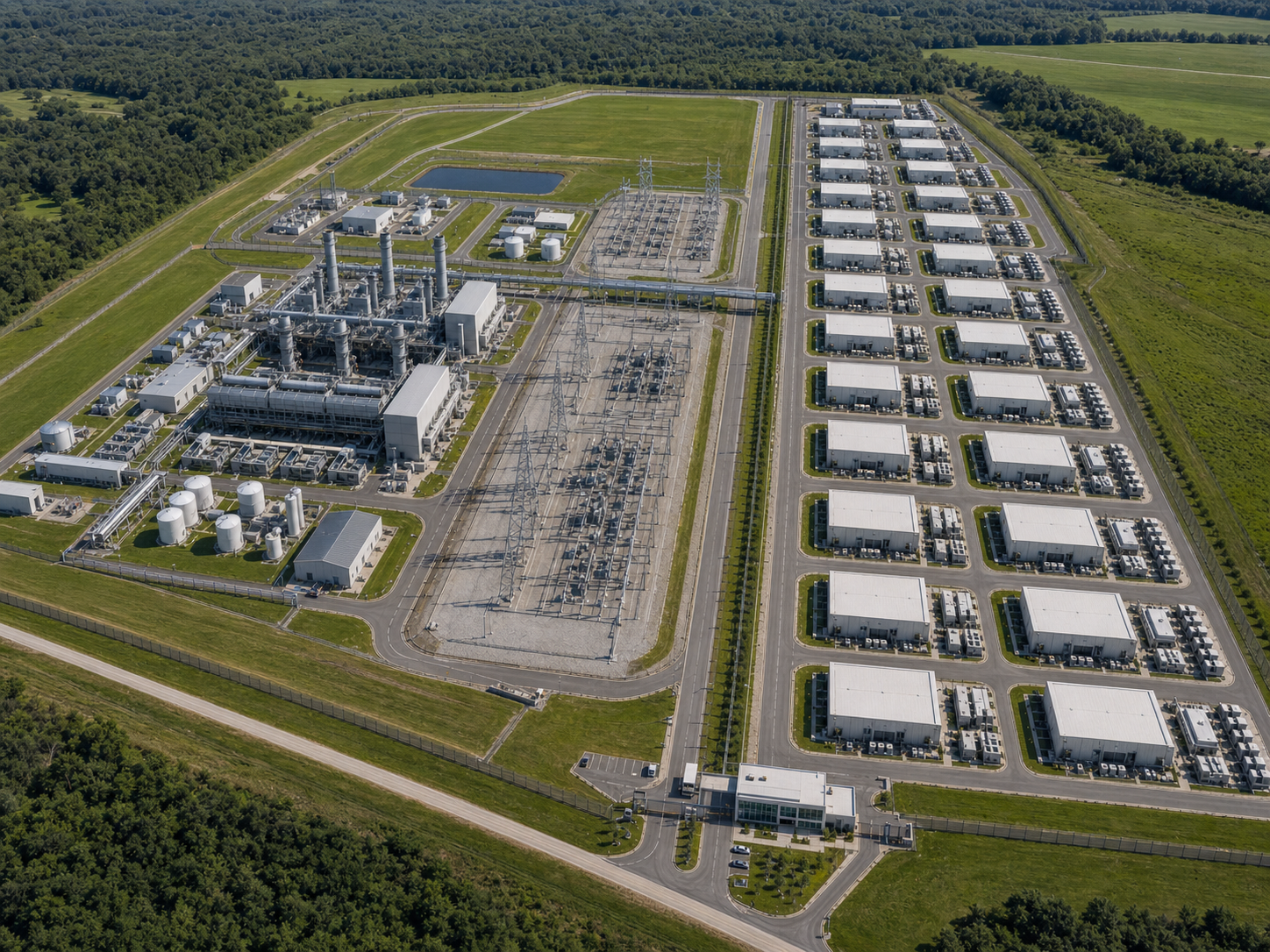
Energy Compute Campus is a 500-acre integrated power and compute campus designed for phased high-density capacity, long-term operations, and industry-standard service delivery. First energization is scheduled for 2027.
First Energization
Initial 100–250 MW scheduled
Initial Capacity Block
Reservations open from 1–250 MW
Subsequent Capacity
Additional 100–250+ MW blocks scheduled
Expected Initial Call Date
15-day firm agreement window
Energy Compute Campus
One Integrated Campus, Built Around Scheduled Capacity Release
Energy Compute Campus coordinates generation, medium-voltage distribution, compute buildings, cooling, connectivity, safety, security, and operations as one campus platform. Capacity is released in scheduled blocks, beginning with 100–250 MW in 2027 and followed by additional 100–250+ MW blocks approximately every 8 months.
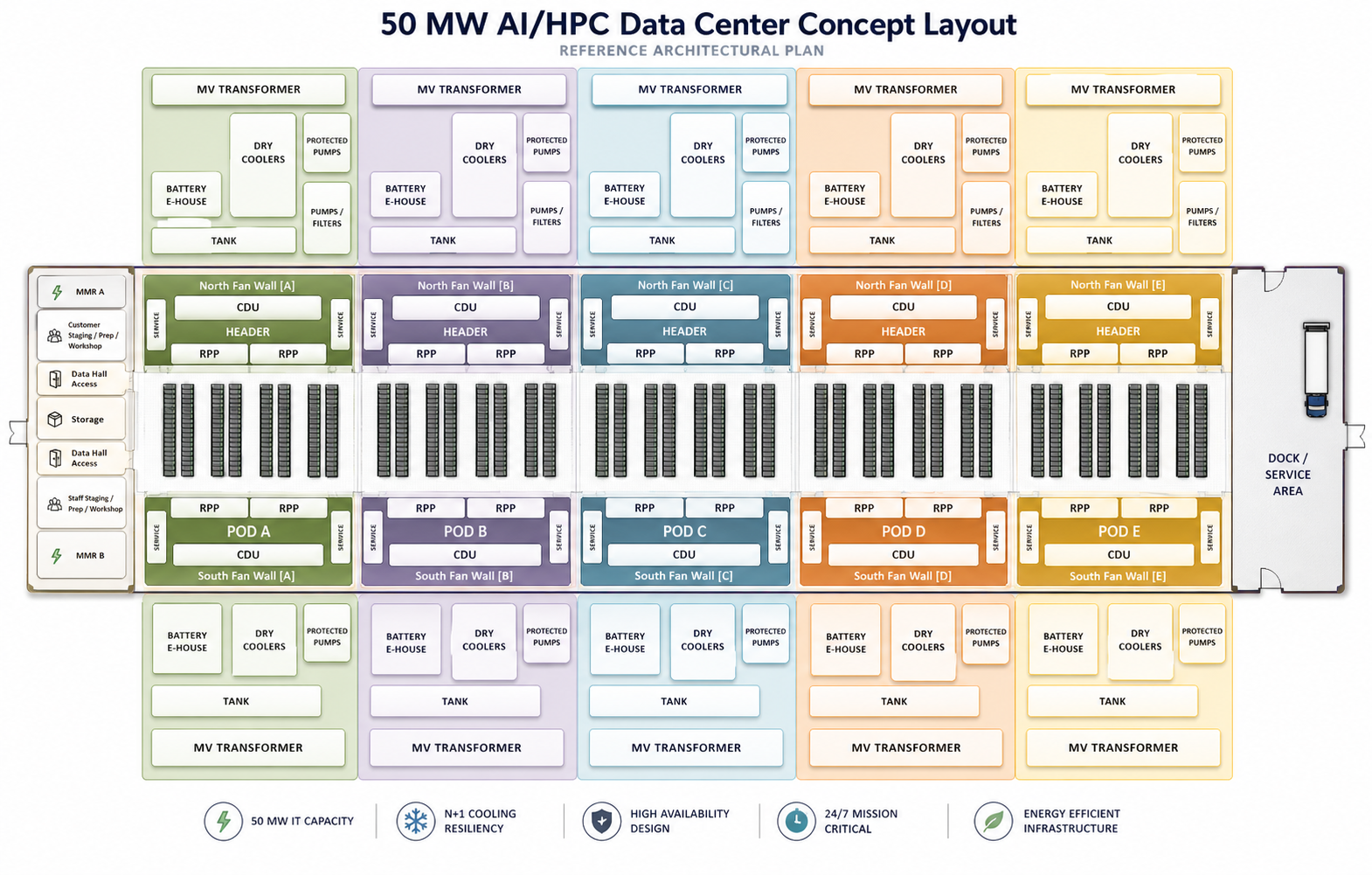
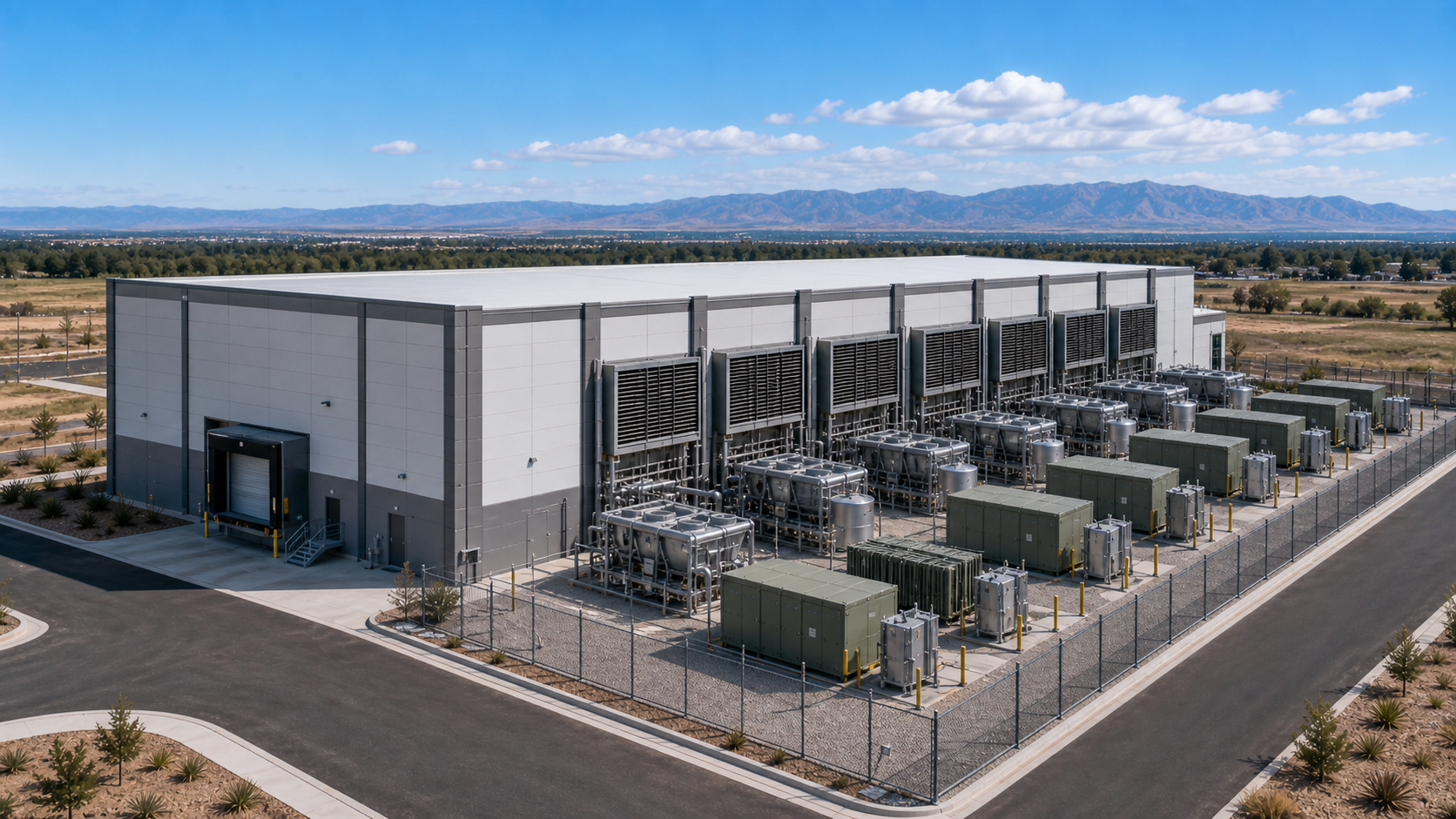
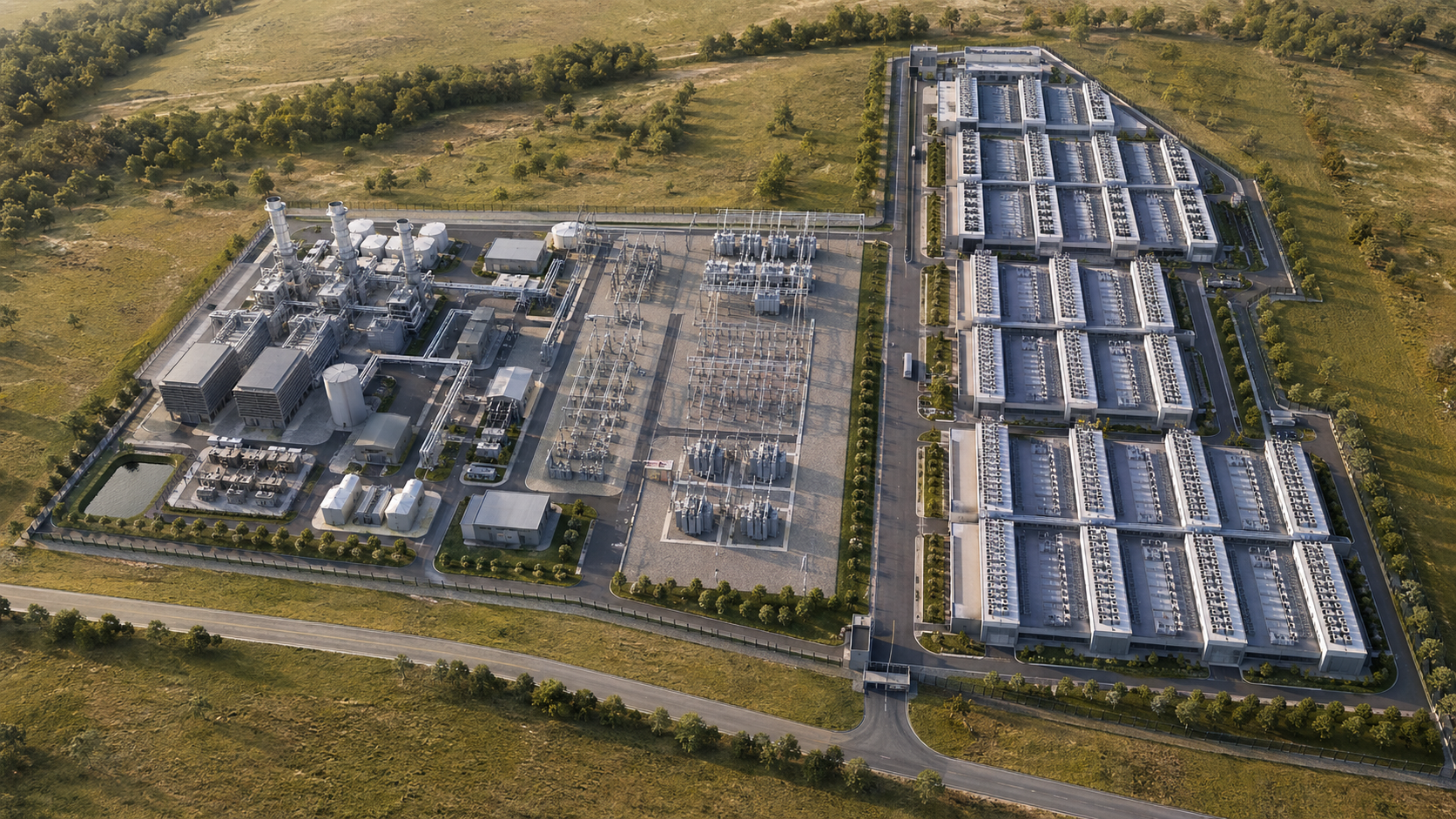
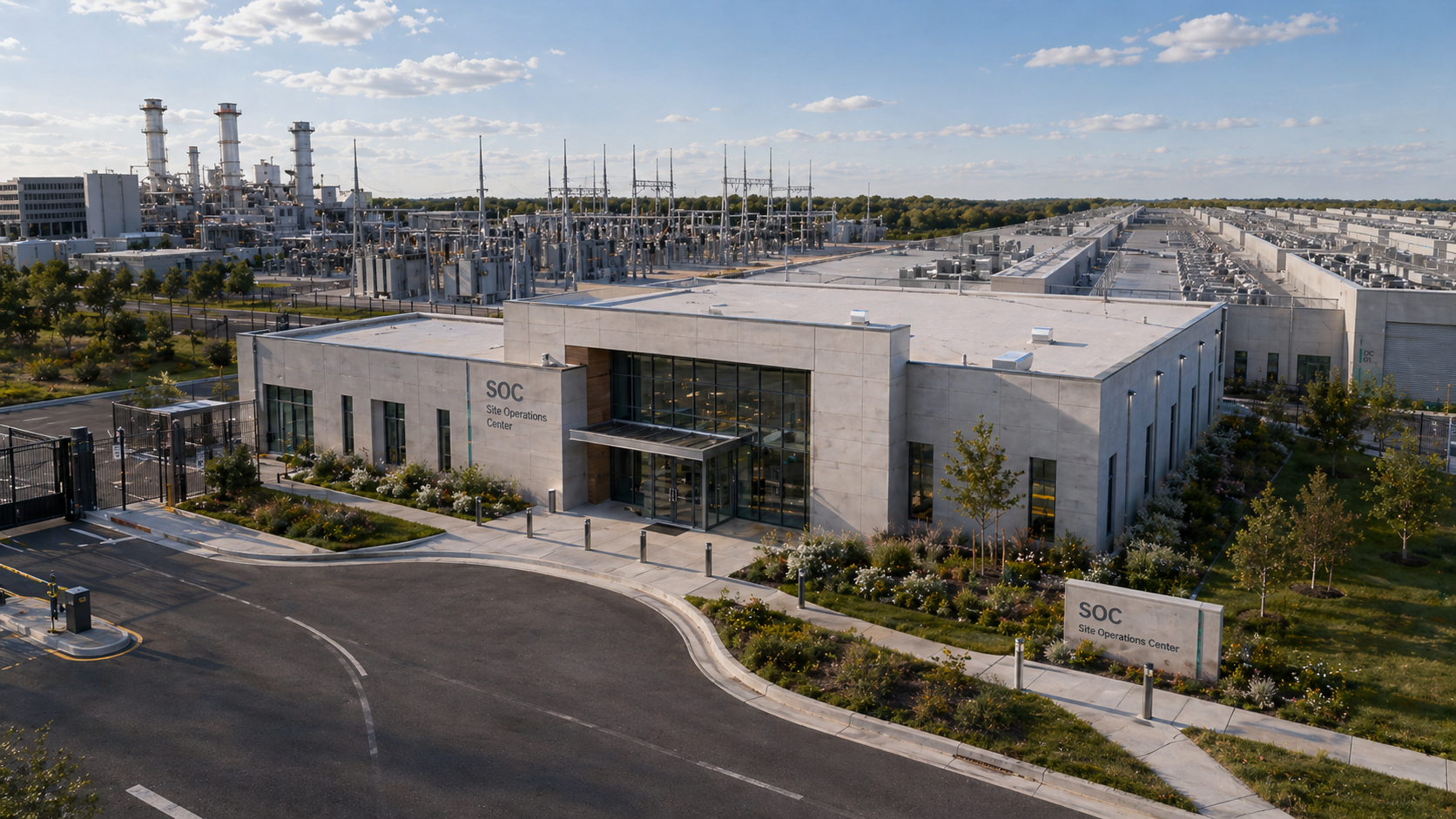
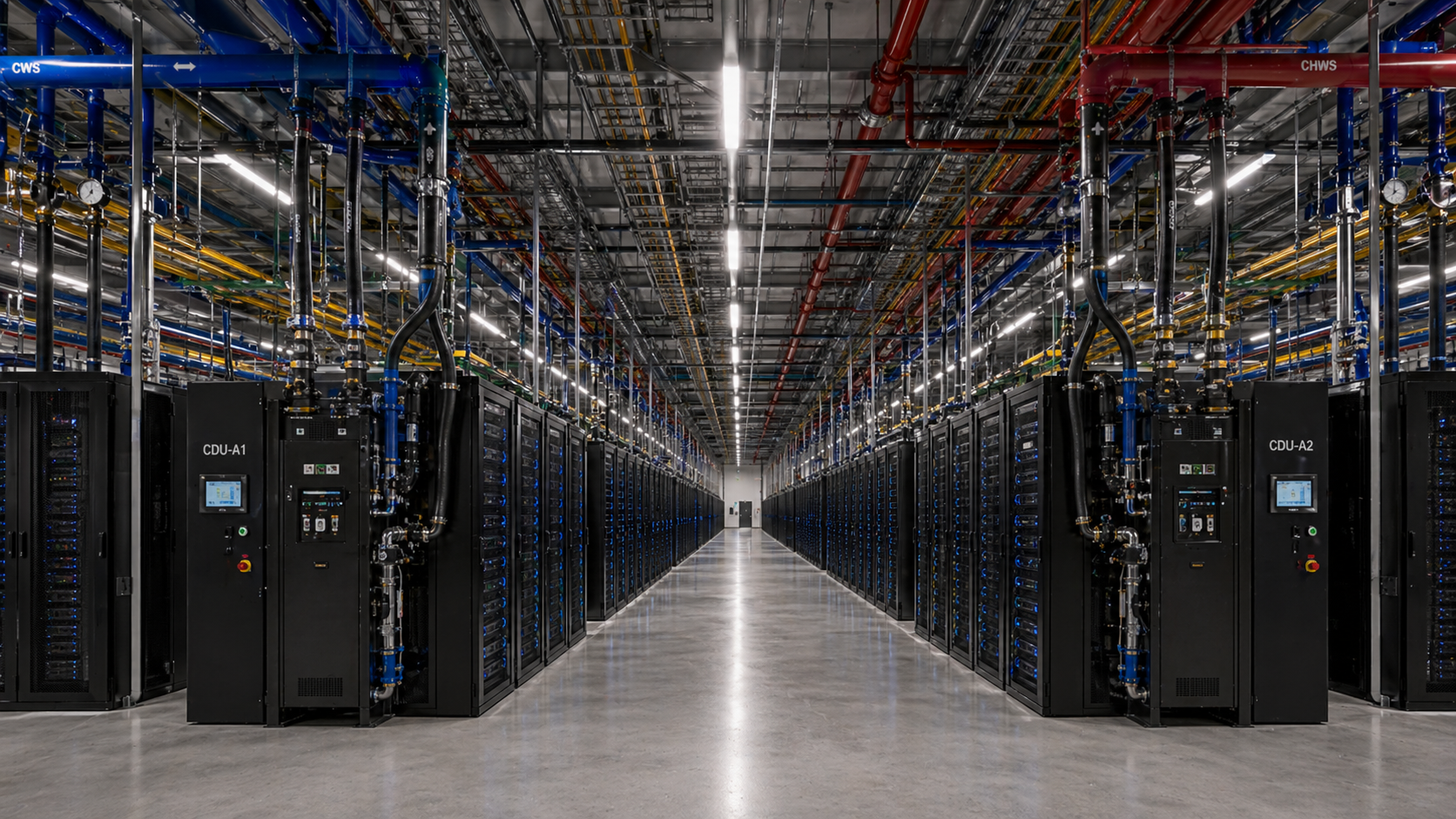
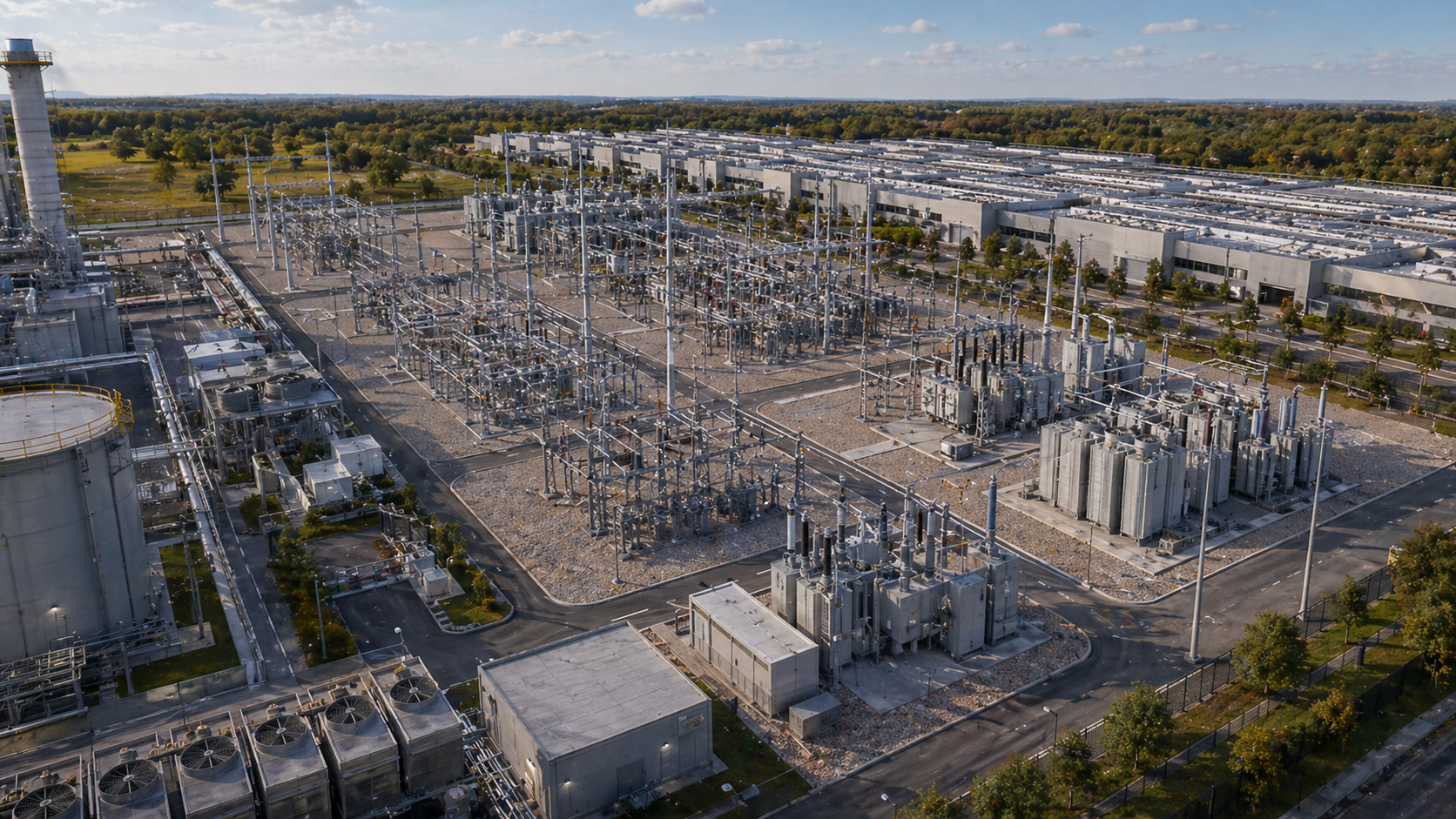
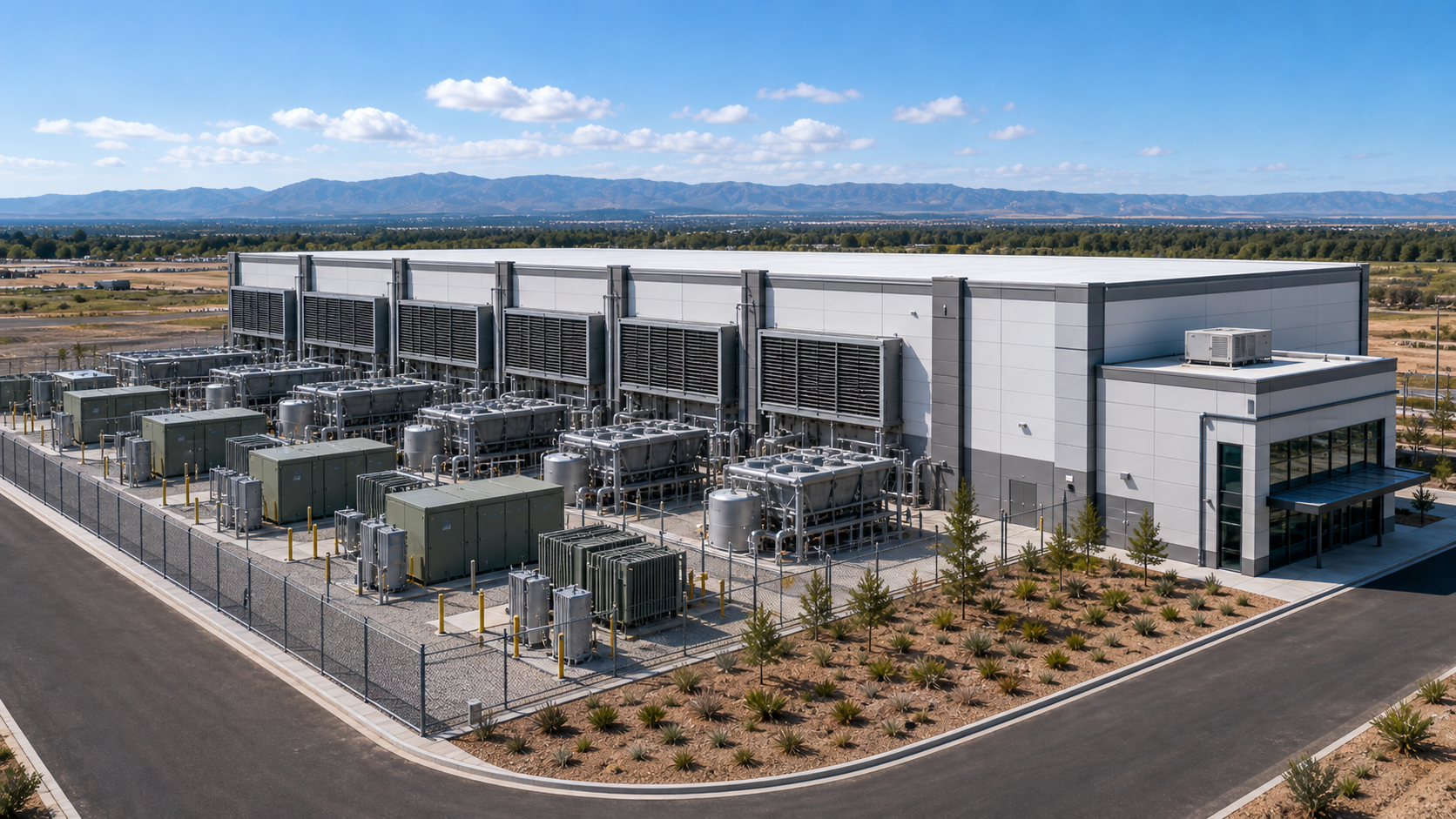
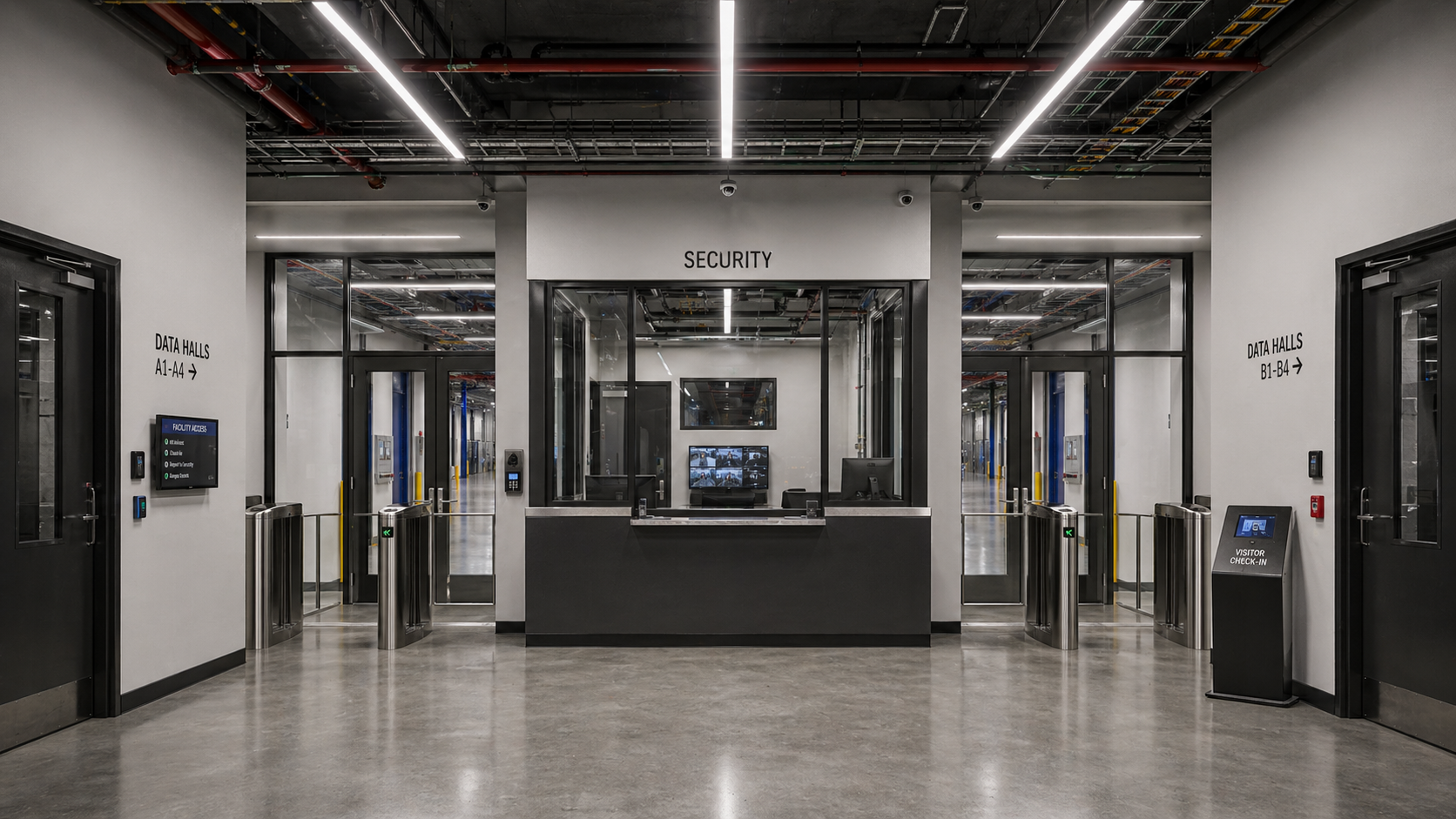
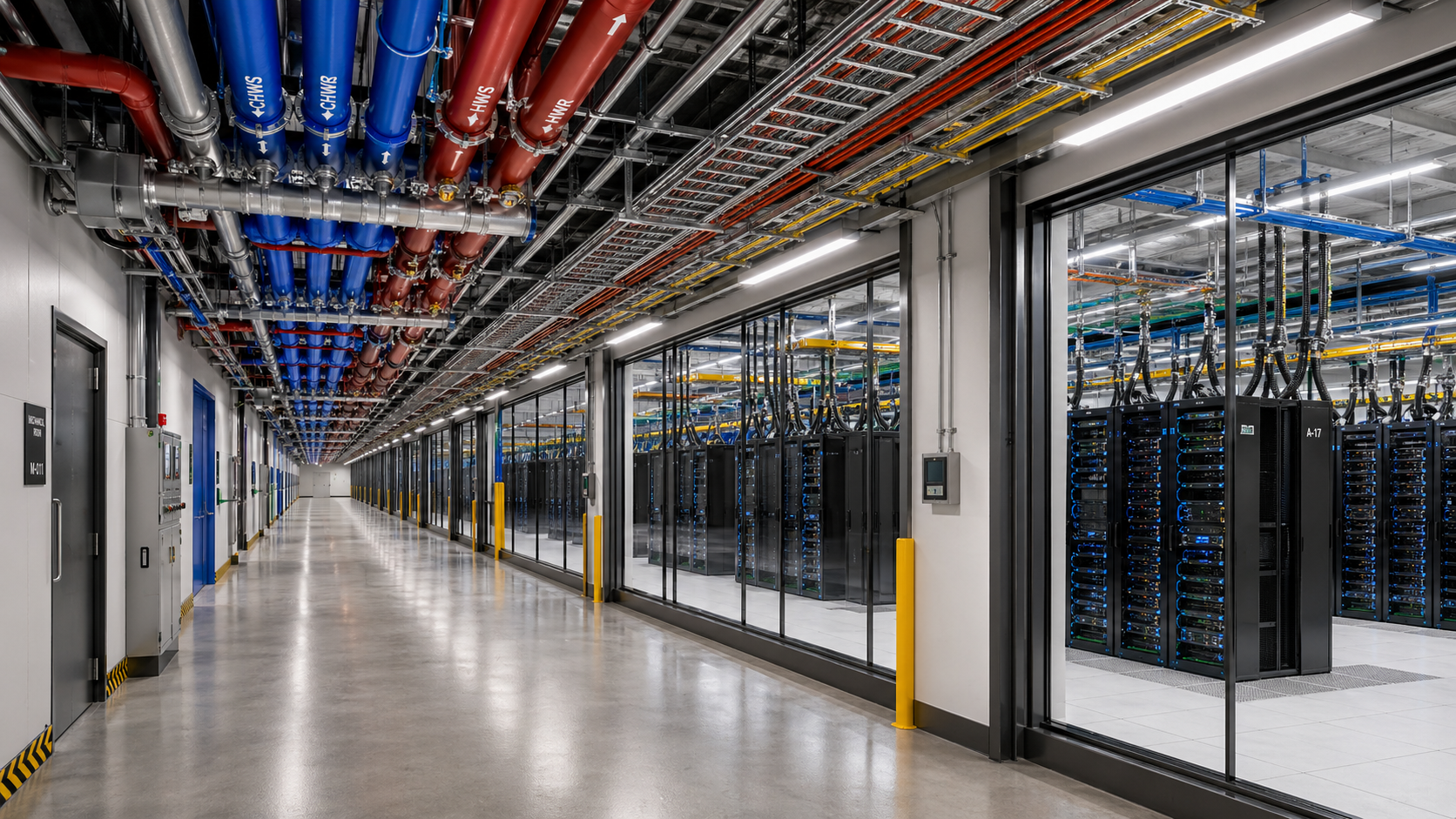
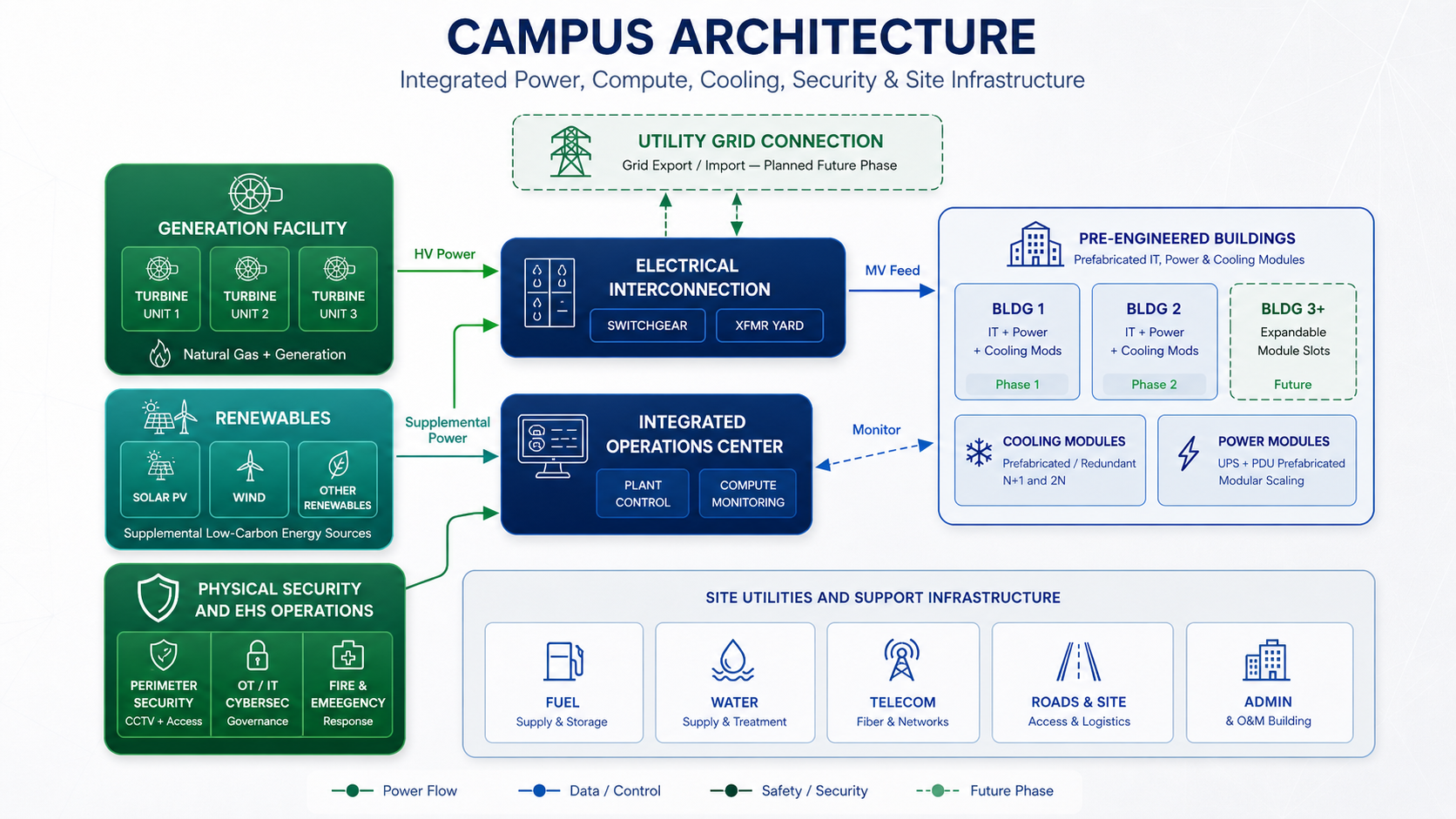

Energy Compute Campus is built with GridCore — a repeatable framework for turning qualified sites into compute-ready infrastructure platforms. GridCore coordinates land, power, buildings, cooling, connectivity, safety, security, operations, and commercial delivery as one governed campus system.
Learn MoreCampus Microgrid Strategy
Not a Data Center with Backup Generators.
Conventional data centers treat utility power as primary and onsite generators as emergency insurance. At gigawatt scale, that model accumulates structural liabilities: utility queue exposure, fragmented distribution, and a backup-power architecture that does not extend cleanly to new phases.
Our campus microgrid approach starts differently. Two independent generation trains — each sized for the full critical campus load — feed two independent medium-voltage distribution rings. Every pod receives A and B feeds. UPS-backed critical paths deliver power to dual-corded IT loads. Both sources are live simultaneously. No transfer. No standby. One integrated campus power system.
Explore the Campus MicrogridOur Services
Four Ways to Take Capacity.
Capacity can be reserved across multiple delivery models: turnkey colocation, powered shell, powered land, and connectivity-supported deployments. Reservation requests may range from 1 MW to 250 MW and will be evaluated for technical fit, phase availability, load profile, cooling requirements, network requirements, and commercial readiness.
Powered Land
Your building. Our power.
Secure campus parcels with defined medium-voltage power delivery, perimeter security, campus access controls, connectivity pathways, and documented operating interfaces. Customers design, build, and operate their own facility unless otherwise agreed.
- Parcels from 5 to 100+ acres
- Dedicated MV A + B feeds
- Perimeter security included
- Long-term ground lease structure
Powered Shell
Shell ready for your IT.
Compute-ready building shell or dedicated building capacity delivered with campus power availability, utility pathways, base building infrastructure, cooling rough-in, and agreed customer fit-out responsibilities.
- Structure + roof + envelope
- Power distribution to rack zones
- Cooling infrastructure rough-in
- Delivered IT-installation ready
Turnkey Colocation
Rack space. Done.
Fully managed high-density colocation delivered under the GridColo service model, with power, cooling, security, network access, remote hands, customer workflows, and 24/7 operations support.
- 100+ kW per rack supported
- High-availability design target
- Dual A+B power to every cage
- Remote hands + 24/7 NOC
Connectivity
Structured Campus.
Carrier-grade network access, campus meet-me-room strategy, inter-building fiber, tenant demarcation, cross-connect process, and long-haul connectivity options coordinated under the GridColo service framework.
- GridMetro, Zayo, Windstream
- Long-haul links to Dallas
- Inter-building dark fiber
- Intra-building structured cabling
What We Build
Four Pillars.
One Coordinated Platform.
Energy Compute Campus brings together the disciplines high-load digital infrastructure actually requires.
Energy Infrastructure
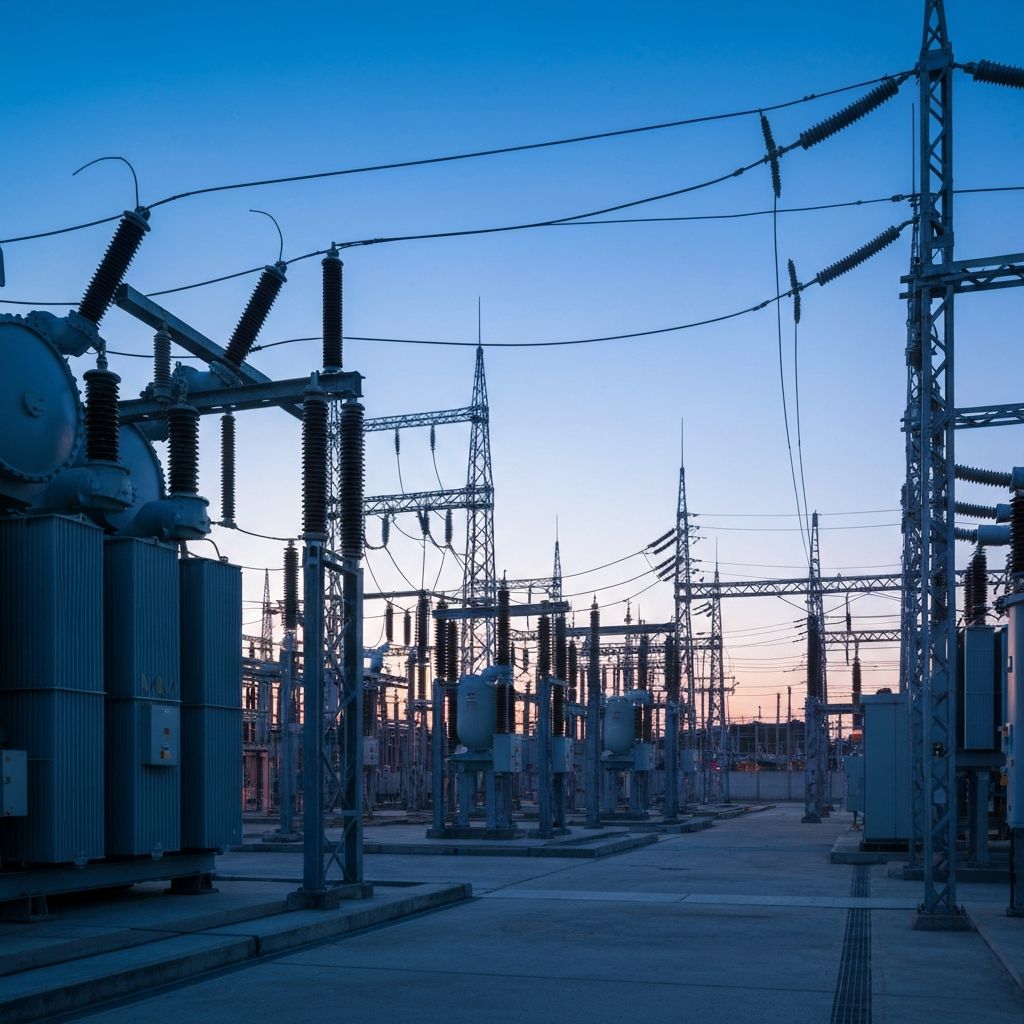
On-site natural-gas generation, high-voltage interconnection, fuel logistics, and power-quality management — designed for continuous, reliable load support at scale.
Compute-Ready Campus
Pre-engineered buildings and prefabricated IT, power, and cooling modules — enabling phased capacity delivery, rapid deployment, and flexible configuration.
Safe and Secure Operations
Permit-to-work, LOTO, EHS programs, physical security zoning, and OT/IT cybersecurity governance — embedded throughout the campus from design.
Long-Term Stewardship
Asset management, maintenance discipline, documentation rigor, and evidence-based readiness reviews that sustain reliability over decades.
Why Integration Matters
The Risks Are in the Gaps Between Systems
Most infrastructure failures do not arise from failed components. They arise from inadequate interfaces — between energy and compute, between safety programs and operations, between construction-phase thinking and long-term operating reality.
Energy Compute Campus eliminates those gaps by design. Every domain is planned, governed, and operated as part of a single coherent platform.
See How the Campus WorksPower and load release cannot be afterthoughts
Phased energization, load-step validation, and interconnection readiness must be coordinated from the start — not negotiated retroactively between siloed operators.
Safety must be designed in, not added on
Permit-to-work systems, hazardous-energy controls, and emergency response programs require integration with facility design, not post-construction retrofitting.
Operational authority must be explicit and tested
Who controls what, under what conditions, and through what escalation path — these questions demand clear answers before operations begin, not after incidents occur.
Long-term stewardship requires discipline from day one
Lifecycle documentation, maintenance regimes, and asset records that matter at year ten must be established at commissioning — not reconstructed from memory.
Commercial Framework
Universal Data Center Agreement Framework
All tenant agreements at Energy Compute Campus are executed under the Universal Data Center Agreement (DCAF) Framework — an open, standardized commercial structure covering both the Master Service Agreement (MSA) and Statement of Work (SOW). DCAF reduces negotiation friction, provides clear baseline protections for both parties, and reflects industry-standard expectations for colocation and managed infrastructure services.
Learn more about the DCAF Framework
Who We Serve
Built for Multiple Stakeholders.
Designed for Trust.
For Tenants
Purpose-built, phased capacity for hyperscale compute, AI/HPC workloads, and high-load digital operations. Coordinated onboarding and ongoing operational support.
Tenant InformationFor Investors
A disciplined infrastructure platform with staged buildout, integrated operating model, governance rigor, and differentiated safety and compliance posture.
Investor OverviewFor Communities
Responsible development, local workforce engagement, emergency coordination, and long-term community presence built on transparency and accountability.
Community Engagement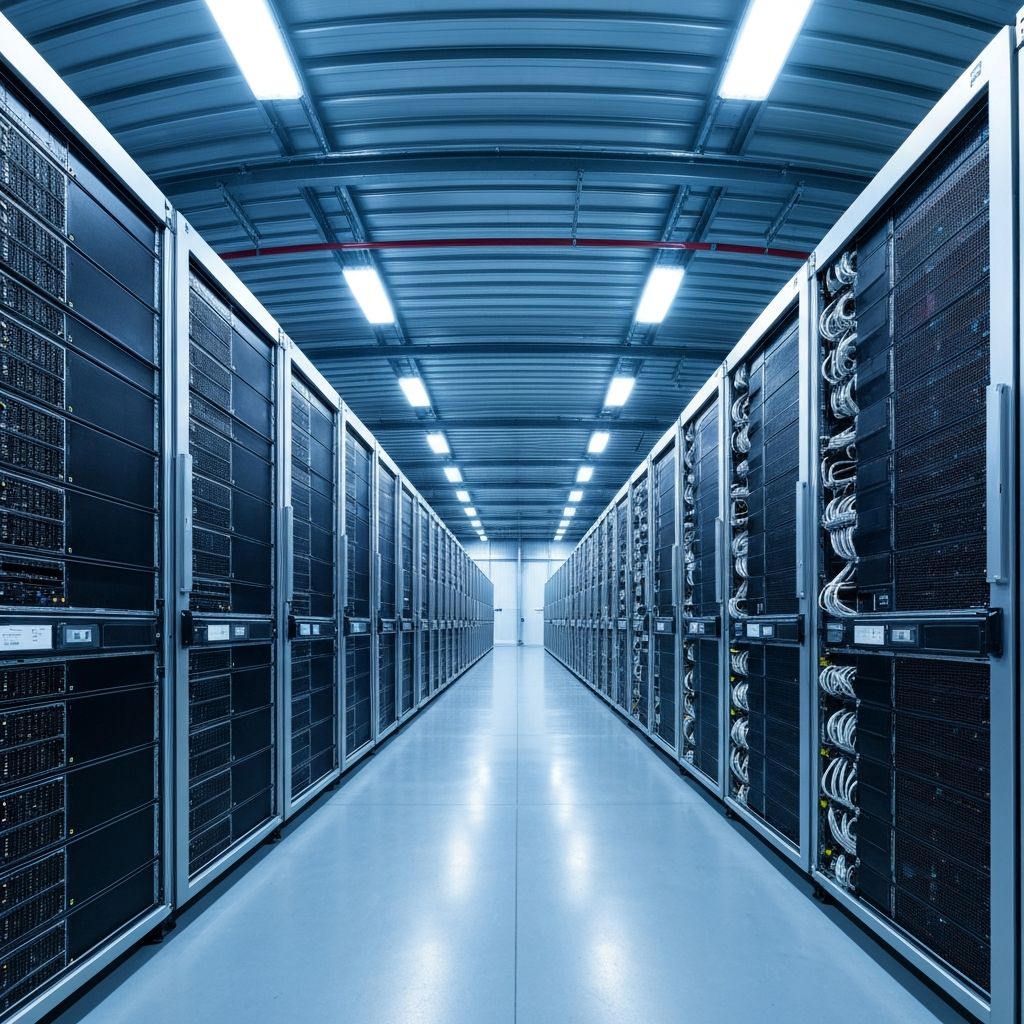
Safety & Security Programs
Designed in from day one
Program maturity, not just program existence — with evidence, records, and governance to support diligence and customer assurance.
Safety, Security & Compliance
Safety is Not a Checklist.
It's a Design Discipline.
At Energy Compute Campus, safety, physical security, and operational compliance are embedded into campus design, construction sequencing, and ongoing operations — not applied as a regulatory afterthought.
Our programs are structured, documented, and auditable. We maintain evidence of readiness — not just assurances of it.
View our Safety & Security ProgramsCommunity & Responsible Development
Infrastructure Built to Last.
Developed with Integrity.
Large-scale energy and compute infrastructure has real impacts on the places where it is built. We take that responsibility seriously — as a fundamental operating principle.
Our approach to community engagement, workforce development, and environmental stewardship is integrated into how we develop and operate.
Learn about our community approachLocal Workforce
Skilled technical jobs, apprenticeships, and O&M training embedded in our operating model.
Transparent Development
Early and ongoing engagement with local stakeholders, regulators, and community leaders.
Emergency Coordination
Formal interfaces with local first responders and public safety agencies from planning through operations.
Long-Term Presence
We develop infrastructure we intend to operate and steward for decades — not flip on completion.
Ready to reserve capacity?
Energy Compute Campus is accepting reservations for 1 MW to 250 MW of capacity. First energization is scheduled for 2027, with the initial Call Date expected in Q3 2026.